
How to Host a Party Everyone Actually Talks About (Step-by-Step Guide)
Hosting a party sounds fun until the planning begins. You start thinking about the guest list, food, drinks, music, decorations, games, seating, and cleanup and suddenly it feels like a lot. But hosting a good party does not need to be stressful.
You do not need expensive decorations, a perfect home, or a complicated menu. You need a simple plan, easy food, a comfortable setup, and a few activities that help guests relax and enjoy themselves. This guide shows you how to host a party step by step, from planning and setup to food, music, games, hosting tips, and cleanup.
The Quick Party Planning Checklist
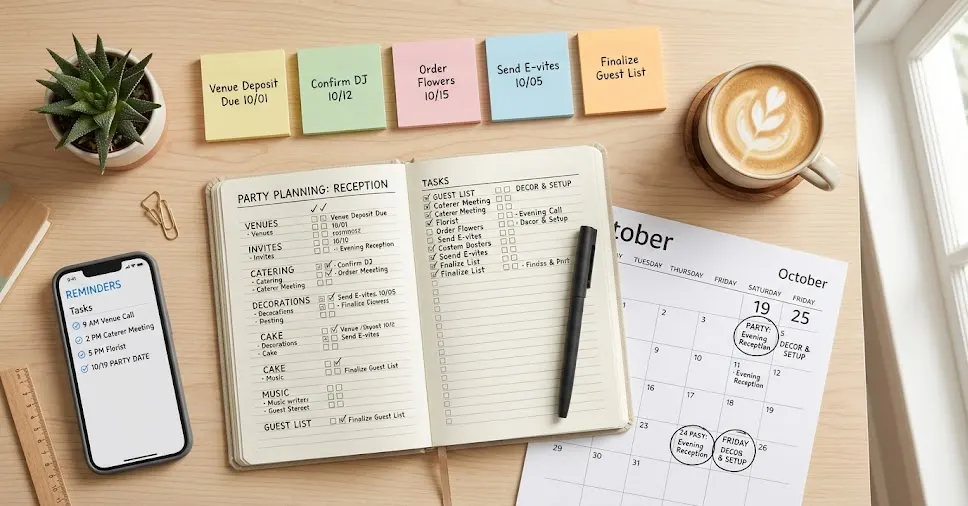
Before diving in, here’s your full game plan at a glance:
2–4 Weeks Before
- Decide the occasion and theme
- Set your budget
- Finalize the guest list and send invitations
1 Week Before
- Plan your menu and buy non-perishables
- Order or buy decorations
- Create your playlist and plan games
Day Before
- Prep food that can be made in advance
- Clean and set up your space
- Stock the drink station
Day Of
- Finish last-minute food prep
- Put on music 15 minutes before guests arrive
- Take a breath you’ve got this
Step 1: Know Your “Why”
Every great party starts with a clear purpose. Are you celebrating a birthday, welcoming people to a new home, or just bringing friends together on a Saturday? Knowing your reason shapes every decision that follows the guest list, the theme, the food, and the overall vibe.
A birthday party calls for something personal and celebratory. A casual hangout is relaxed and low-key. A game night is structured and loud. Define the occasion first, and everything else becomes much easier to plan.
Step 2: Set a Budget That Works for You
You do not need to spend a lot of money to host a memorable party. What guests remember is how the night felt, not how much was spent.
Here is a simple guide based on party size:
| Party Size | Budget Range | Where to Focus |
| 10–15 people | $50–$150 | Good food, one fun game |
| 20–35 people | $150–$400 | Mix of homemade and ready-made food |
| 40+ people | $400+ | Buffet setup, simple decorations |
The best budget hack: Ask guests what they would like to bring. Most people genuinely want to contribute they just need to be asked. “Bring a side dish or a drink you like” cuts your costs significantly and makes guests feel more invested in the evening.
Step 3: Build Your Guest List Thoughtfully
The size of your guest list should match your space comfortably. As a general rule, each person needs roughly 25 to 30 square feet to move and mingle without feeling crowded. But here is what most hosting guides skip: the mix matters more than the number.
A great guest list has some variety different personalities, different connections to you. When everyone already knows each other too well, conversations stay shallow. When nobody knows anyone, it gets awkward. The sweet spot is a group where people share you in common but come from different parts of your life.
Before the party, think of two or three people who do not know each other and plan a specific introduction. “You two both love hiking” or “She does ceramics you should talk” works infinitely better than a vague “Have you met?”
Step 4: Choose a Theme (Simpler Than You Think)
A theme gives your party a direction. It makes your decisions easier and makes the night feel more intentional for guests. It does not have to mean costumes or elaborate decorations.
Low-effort themes that always work:
- Decade Night: 80s, 90s, or Y2K. The playlist does all the work. Guests dress up if they feel like it.
- Game Night Bites: The activity is the theme. Food is all finger foods, no cutlery needed.
- Cafe at Home: Coffee, pastries, soft music, cozy corners. One of the most popular party trends right now.
- Favorite Things: Each guest brings one small item they love and explains why. Simple and surprisingly personal.
- Seasonal Vibes: “Summer Nights” or “Cozy Winter” easy to pull off with food and lighting alone.
Step 5: Decorations That Look Great Without Overdoing It
A few well-chosen touches beat an over-decorated room every time. The goal is atmosphere, not quantity. The three-item rule: Pick just three types of decoration and do them well. For a warm, intimate feel: string lights or candles, fresh flowers or greenery, and cloth napkins or a simple table runner.
For a celebratory feel: balloons in two or three coordinated colors, one balloon cluster in a corner (not scattered everywhere), and streamers above the food table.
What to avoid: Covering every surface makes spaces feel cluttered and guests uncomfortable. Skip anything that blocks sightlines across the room people need to see each other to actually mingle.
Step 6: Plan a Menu That Disappears
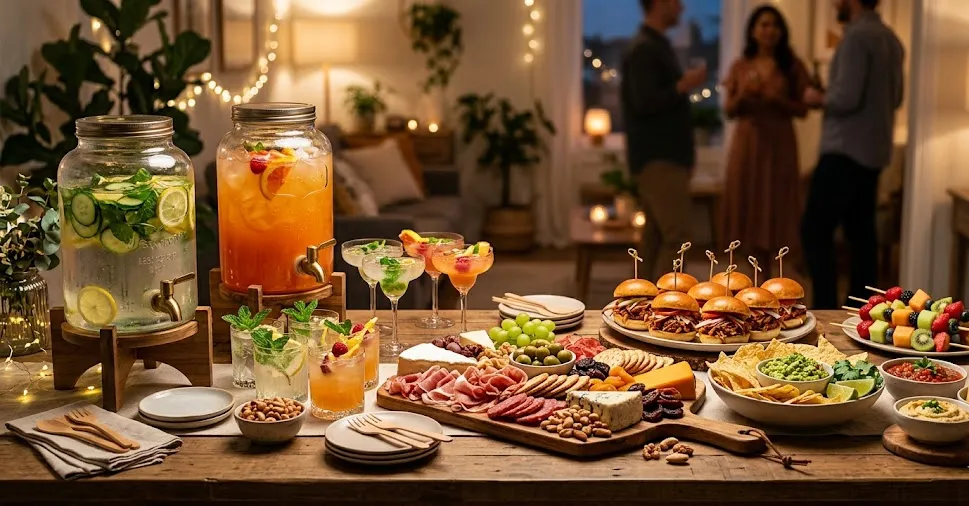
The sign that food was loved is simple it runs out. The goal is not to impress guests with complexity but to serve things people genuinely want to eat.
The simple party menu formula:
- One anchor dish (hearty, crowd-pleasing, easy to portion)
- Two to three finger food options (easy to eat standing up, no fork required)
- One sweet option
- Drinks handled separately
Finger foods that always work:
- A cheese and charcuterie board (build it early, it stays out all evening)
- Mini sliders or wraps
- Chips with two or three dip options (hummus, guacamole, salsa)
- Stuffed mushrooms or mini quiches (made ahead and reheated)
The prep-ahead strategy: Aim to have 80% of your food ready before guests arrive. Make dips and desserts one to two days early. Cut vegetables and assemble boards the morning of the party. Only finish or warm things right before serving. This one change means you are greeting guests at the door instead of being stuck in the kitchen.
Step 7: Set Up a Drink Station
A dedicated drink station keeps people out of your kitchen, encourages mingling, and makes you look like a thoughtful host all at once.
What to include:
- Water, always. Fill two carafes and keep them cold. Guests will find this before anything else.
- A non-alcoholic option. Sparkling water, juice, or a themed mocktail. Never make non-drinkers feel like an afterthought.
- A signature drink. One cocktail or mocktail tied to the occasion. It becomes a talking point and saves you from mixing individual drinks all night.
- Self-serve options. Set out wine, beer, or other drinks with glassware so guests help themselves.
Step 8: Music and Games The Hidden Hosts
Music and games quietly shape the mood of every celebration, keeping guests entertained, encouraging interaction, and creating memorable moments throughout the event.
Build a Playlist in Three Phases
Music is the invisible host of every party. Get it right and the energy runs itself.
- Arrival (first 30–45 minutes): Chill, familiar background music. Guests should be able to talk without raising their voices.
- Mid-party: More upbeat tracks, volume slightly higher. The room is warming up.
- Peak energy: Your best, most high-energy songs. This usually hits 90 minutes to two hours in.
Never shuffle a completely random playlist at a party. Curate it in advance or use a pre-made party playlist on Spotify or Apple Music and edit out anything that would kill the mood.
Games That Actually Get Everyone Involved
Games are the fastest way to turn a room of individuals into a group having a shared experience.
For 4–10 people:
- Truth or Dare: The all-time classic. Works for every age when you match the questions to the group. Check out our full list of 500+ Truth or Dare questions to get started.
- Two Truths and a Lie: No equipment needed, takes two minutes to explain, always sparks conversation.
- Trivia: Custom questions about the guest of honor work brilliantly for birthdays.
For 10–20 people:
- Jackbox Games: Everyone plays on their phone through a TV screen. Gets loud fast.
- Pictionary: High energy, does not require artistic talent, always funny.
For 20+ people:
- Photo scavenger hunt: Works well for outdoor or larger venue parties.
- Giant Jenga or lawn games: Physical games people can drift in and out of throughout the night.
Step 9: Your Job as the Host

Here is the most important hosting truth: your guests came for you. Not the food. Not the decorations. Not the playlist. They came to spend time with you. The moment you start running around fixing things, you stop being present at your own party.
- Before guests arrive: Finish all setup at least 30 minutes before start time. Change, get a drink, take a breath.
- When guests arrive: Greet every person at the door. Introduce people with a specific detail. Offer a drink within two minutes of arrival it is the fastest way to make someone feel welcome.
- During the party: Check in with quieter guests and bring them into conversations. Do not apologize for things guests have not noticed. If something goes wrong food burns, a glass breaks handle it calmly and move on. Your reaction sets the tone for the whole room.
Step 10: Cleanup Without the Dread
During the party: Do a quiet sweep every 30 to 45 minutes collect glasses, toss napkins, wipe any spills before they set. Keep a trash bag accessible so guests can dispose of their own items easily.
At the end: Soak dishes immediately it takes two minutes and saves an hour later. Pack leftovers while cleaning the kitchen. Ask one or two close friends to stay for 15 minutes to help. Most people are happy to, and it cuts the cleanup time in half.
FAQs
How far in advance should I plan a party?
For small gatherings, planning one week ahead is usually enough. Larger events with 20 or more guests benefit from three to four weeks of preparation to give everyone time to RSVP and avoid last-minute stress.
How do I host a great party on a tight budget?
Focus your budget on food and drinks, as guests remember them most. Use simple decorations like candles, string lights, and flowers, and consider a potluck-style setup to reduce costs.
What are the best games for an adult party?
Popular adult party games include Truth or Dare, Two Truths and a Lie, trivia challenges, and interactive party games. Choose activities that match your guests’ interests and group size.
How do I handle dietary restrictions?
Ask guests about dietary needs when sending invitations. Clearly label food items and offer a few flexible choices, such as vegetarian and gluten-free options, so everyone can enjoy the meal comfortably.
How do I make guests feel welcome immediately?
Welcome guests at the door, offer refreshments soon after they arrive, and introduce them to others. These simple gestures help create a friendly atmosphere and make everyone feel included from the start.
