
History of Truth and Dare: Origins, Evolution, and Why the Game Is Still Popular Today
The history of Truth and Dare stretches back hundreds of years. Although the modern version became widely popular during the 20th century, similar games existed long before that. Ancient Greece had command-based games, medieval France featured honesty-focused activities, and England later introduced a game called “Questions and Commands.” Over time, these early traditions evolved into the Truth and Dare game enjoyed by millions of people worldwide.
Its lasting popularity comes from a simple formula: honesty, curiosity, communication, and fun. These elements have helped Truth and Dare remain one of the most recognizable party games in history.
What Is Truth and Dare?
Truth and Dare is a social party game in which players choose between answering a question honestly or completing a challenge. The game can be played by friends, family members, classmates, or groups attending social gatherings.
The rules are simple, but the experience is often memorable. Players learn new things about each other, share stories, and participate in light-hearted challenges. Because it requires no special equipment and can be adapted for different age groups, Truth and Dare has remained popular across generations. Today, the game is played both in person and online, making it one of the world’s most widely recognized social games.
The History of Truth and Dare
Many people assume Truth and Dare is a modern invention. However, the history of Truth and Dare is much older than most people realize. Rather than being created by a single person, the game developed gradually over centuries. Historians have found evidence of earlier games that encouraged honesty, challenges, and social interaction. These games appeared in different cultures and time periods, eventually leading to the modern version we know today.
Because the game evolved naturally, there is no official inventor of Truth and Dare. Instead, it represents a long tradition of social entertainment that has adapted to changing societies.
Ancient Greece: The Earliest Roots
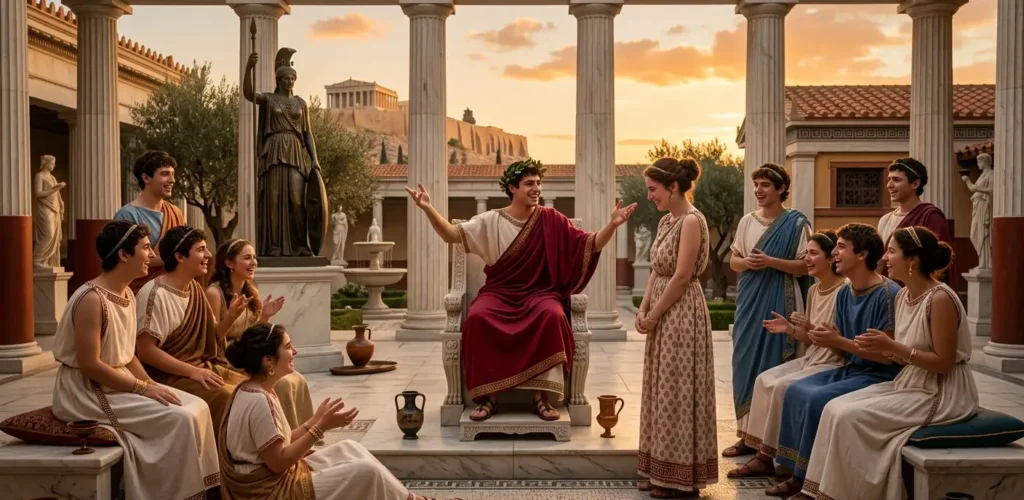
One of the earliest ancestors of Truth and Dare can be traced to Ancient Greece. Historical sources mention a game called Basilinda. In this activity, one participant was chosen as a leader or “king” and could give commands to the other players. Those players were expected to complete the instructions given to them.
Although Basilinda did not include the exact choice between “truth” and “dare,” it introduced an important concept that still exists today: performing challenges in a social setting.
Many historians consider these early command-based games to be among the foundations of modern party games. The idea of accepting a challenge for entertainment would continue to appear throughout European history.
Medieval France and the Rise of Honest Answers
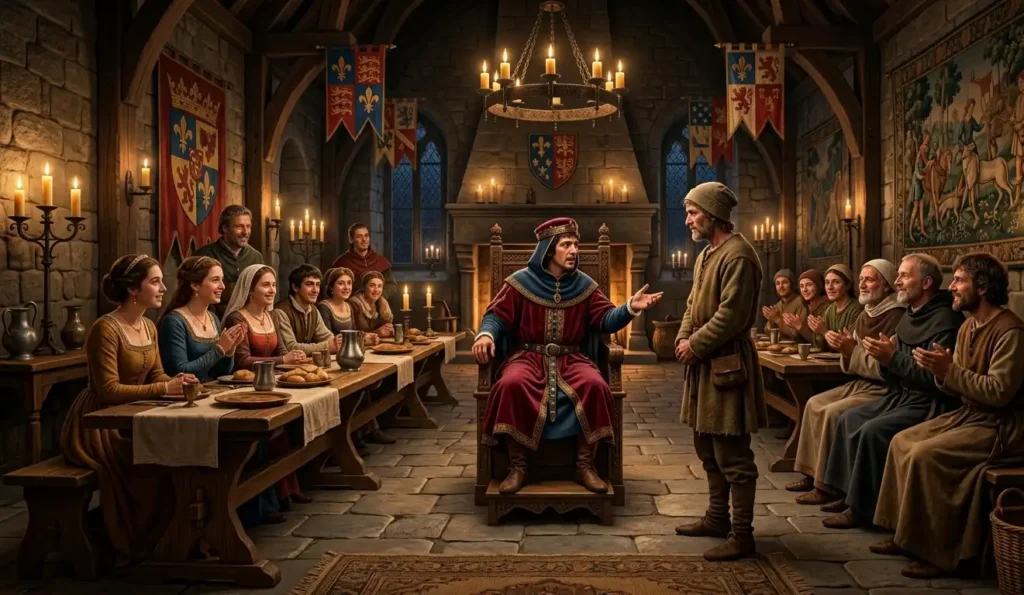
During the 14th century, records mention a French game known as “Roi Qui Ne Ment,” which means “The King Who Does Not Lie.” This game placed a strong emphasis on honesty. Players were expected to answer questions truthfully, and refusing to answer could result in a penalty or consequence.
This is significant because it introduced the “truth” element that later became a defining feature of Truth and Dare. Even centuries ago, people enjoyed games that encouraged open communication and friendly interaction. The popularity of these activities demonstrates that curiosity about others has always been part of human social behavior.
Questions and Commands in England
The strongest historical connection to modern Truth and Dare appeared in England. Between the 16th and 17th centuries, a social game known as “Questions and Commands” became popular at gatherings and celebrations. Participants had two options: answer a question honestly or complete a command given by another player.
This format closely resembles the structure of modern Truth and Dare. One of the earliest written references appeared in 1677 when Guy Miege described the game in a French-English dictionary. This documentation provides valuable evidence of how the game was played during that period. Questions and Commands became a popular way for people to interact, share stories, and entertain guests during social events.
Truth and Dare During the Victorian Era
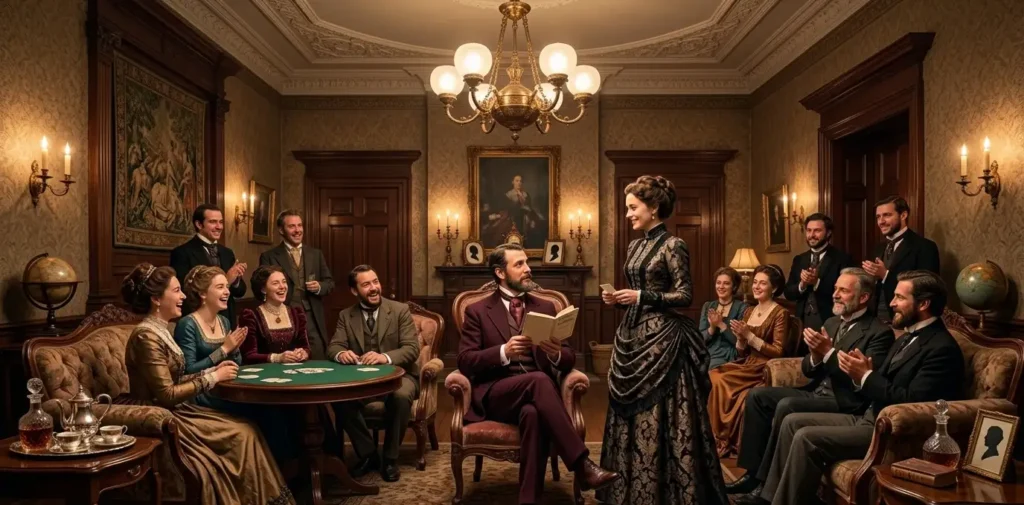
The Victorian era played an important role in the development of social games. At a time when television, smartphones, and digital entertainment did not exist, families often relied on conversation-based activities for amusement.
Social gatherings frequently included parlour games designed to encourage interaction among guests. Questions and Commands remained popular because it was easy to play and helped break the ice between participants.
The game encouraged conversation, storytelling, and group participation. These same qualities continue to make Truth and Dare enjoyable today.
Truth and Dare in Literature
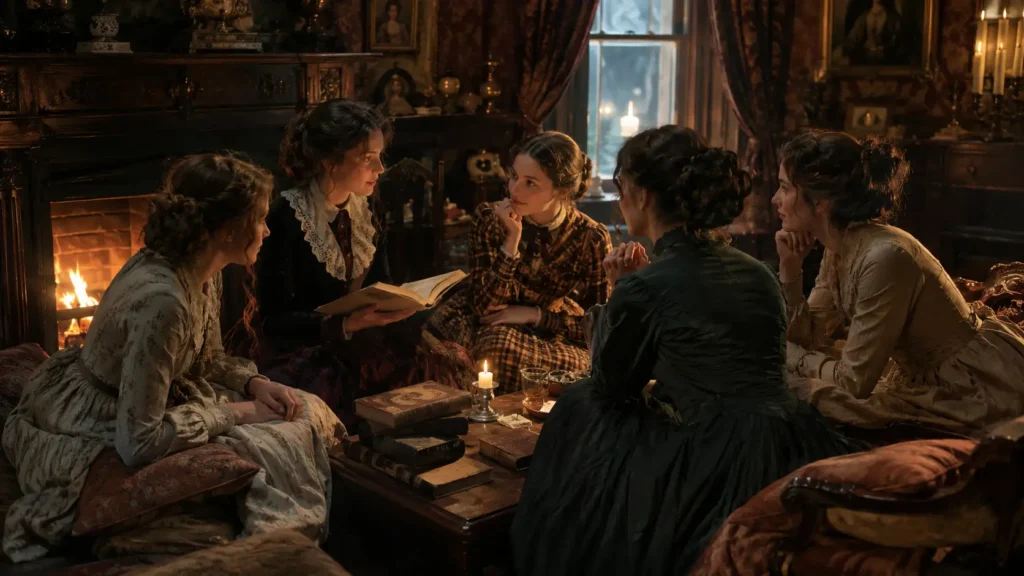
The popularity of the game can also be seen in literature. A version of Questions and Commands appeared in the famous novel Little Women by Louisa May Alcott in 1868. Its inclusion in a well-known literary work suggests that many readers were already familiar with the game.
When a social activity appears in books, it often reflects its popularity within society. This literary reference provides further evidence that the game had become a recognized form of entertainment by the 19th century.
How Truth and Dare Became a Global Party Game

The biggest transformation occurred during the 20th century. As schools, youth organizations, camps, and social gatherings became more common, Truth and Dare spread rapidly among younger generations. The game was easy to learn, required no equipment, and could be played almost anywhere.
Its flexibility helped it gain popularity in different countries and cultures. Whether played at a birthday party, school event, or family gathering, the game offered a simple way to create fun and encourage interaction.
Over time, the shorter and more memorable name “Truth or Dare” became widely adopted, replacing older versions such as Questions and Commands.
Truth and Dare in the Digital Age

Like many traditional games, Truth and Dare successfully adapted to modern technology. Today, players can enjoy the game through websites, mobile apps, video calls, and online party platforms. Digital versions often include thousands of questions, themed categories, and multiplayer features.
Technology has made the game more accessible than ever before. People can now play with friends regardless of location, helping the game reach new audiences around the world. Despite these innovations, the core concept remains unchanged: choose honesty or accept a challenge.
Truth and Dare Around the World
As Truth and Dare spread internationally, different regions created their own variations of the game. While the basic concept remained the same, local traditions and cultural preferences influenced the types of questions and challenges used. Some countries focused on storytelling and conversation, while others emphasized creativity and humor.
This adaptability has helped Truth and Dare remain relevant across cultures. The game can be customized for different age groups, social settings, and occasions, making it one of the most versatile party games ever created.
What Makes Truth and Dare Different from Other Party Games?
Many party games focus on competition, scoring points, or winning prizes. Truth and Dare is different because it focuses on communication and social interaction.
Players are encouraged to share experiences, express opinions, and participate in challenges that create memorable moments. The game often leads to conversations that would not happen naturally. Because every group is different, no two games are exactly alike. This unpredictability is one of the main reasons people continue to enjoy it.
Why Has Truth and Dare Survived for Centuries?
Many games disappear over time, but Truth and Dare continues to attract new generations of players.
It Encourages Communication
The game helps people start conversations and learn more about one another.
It Creates Shared Memories
Funny answers and creative challenges often become stories that people remember for years.
It Builds Social Connections
Players frequently develop stronger friendships through shared experiences.
It Is Easy to Play Anywhere
No special equipment is needed, making the game accessible to almost everyone. These qualities have helped Truth and Dare remain popular for hundreds of years.
The Psychology Behind Truth and Dare
Psychologists often suggest that people enjoy activities that combine curiosity, interaction, and personal expression.
Curiosity and Human Behavior
People naturally want to learn more about others. Truth and Dare satisfies this curiosity through questions and conversations.
Trust and Relationship Building
Honest answers can help build trust and strengthen social bonds between participants.
The Appeal of Challenges
Completing a challenge can be exciting and rewarding, especially when done in a supportive group environment.
Together, these elements create an engaging experience that appeals to people of different ages and backgrounds.
Timeline of Truth and Dare History
| Period | Historical Development |
| Ancient Greece | Basilinda command-based game |
| 14th Century France | Roi Qui Ne Ment appears |
| 16th–17th Century England | Questions and Commands becomes popular |
| 1677 | Guy Miege documents the game |
| Victorian Era | Parlour game popularity increases |
| 1868 | Referenced in Little Women |
| Early 1900s | Modern Truth and Dare begins to emerge |
| Late 1900s | Global popularity grows |
| Digital Age | Online and mobile versions become common |
Conclusion
The history of Truth and Dare is far older and more fascinating than many people realize. From the command-based games of Ancient Greece to the conversation-focused activities of Medieval France and England, the game has evolved through centuries of social change.
Its ability to adapt while preserving its core purpose has allowed it to remain relevant across generations. Whether played at a family gathering, school event, party, or online platform, Truth and Dare continues to bring people together through conversation, laughter, and shared experiences.
Even after hundreds of years, it remains one of the world’s most beloved social games
FAQs
Who Invented Truth and Dare?
No single person invented Truth and Dare. Historians believe the game evolved naturally over centuries from earlier social games in Ancient Greece, Medieval France, and England that focused on questions, honesty, and challenges.
When Was Truth and Dare Invented?
Truth and Dare has no exact invention date. Its roots can be traced back hundreds of years, with similar games appearing in Ancient Greece and later evolving into modern Truth and Dare by the 19th and 20th centuries.
What Was Truth and Dare Originally Called?
One of the earliest known versions of Truth and Dare was called Questions and Commands. Popular in England during the 16th and 17th centuries, players either answered questions or completed commands given by others.
Is Truth and Dare Based on a Historical Game?
Yes. Modern Truth and Dare evolved from historical games such as Basilinda in Ancient Greece and Questions and Commands in England, both of which included challenges, social interaction, and participant involvement.
Why Is Truth and Dare Still Popular Today?
Truth and Dare remains popular because it combines honesty, fun, curiosity, and social interaction. Its simple rules, adaptability for different groups, and ability to create memorable experiences have kept it relevant for generations.
